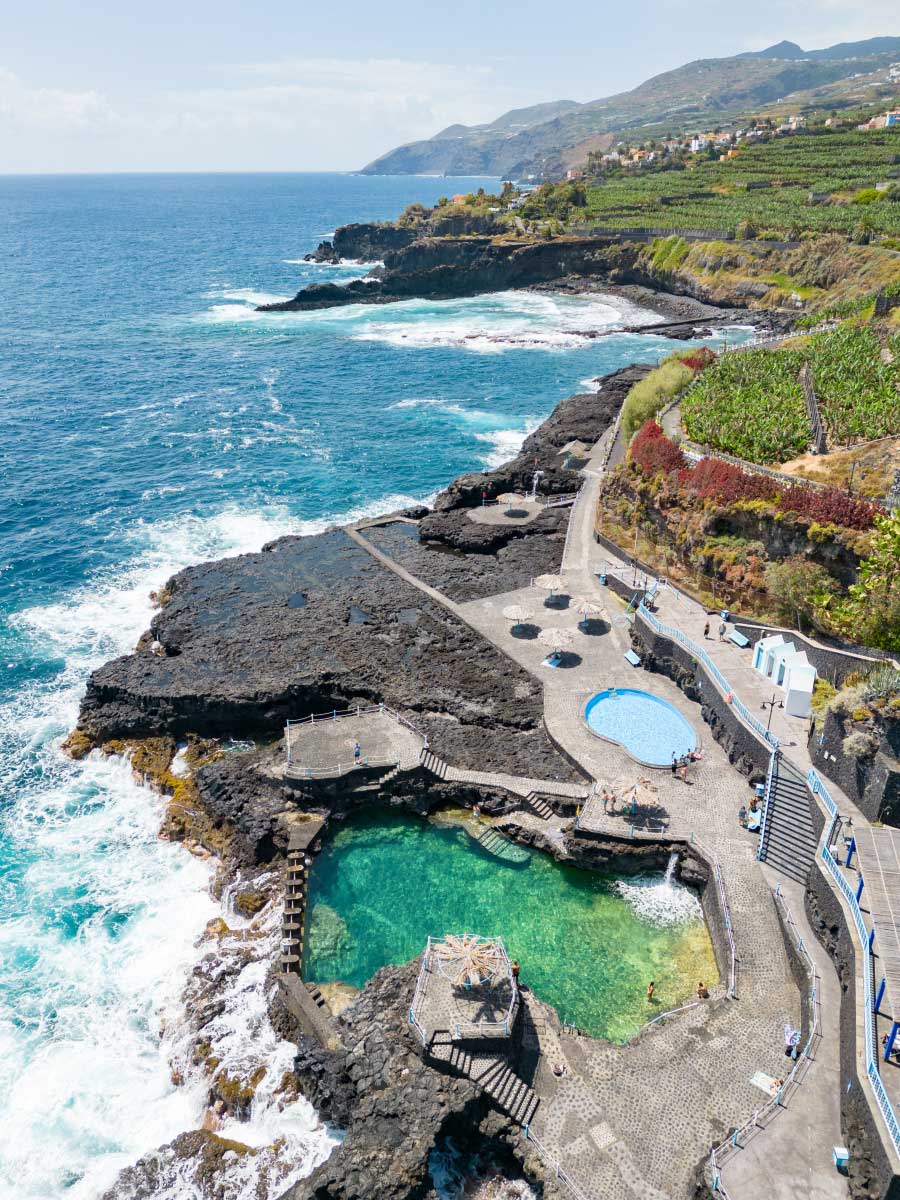
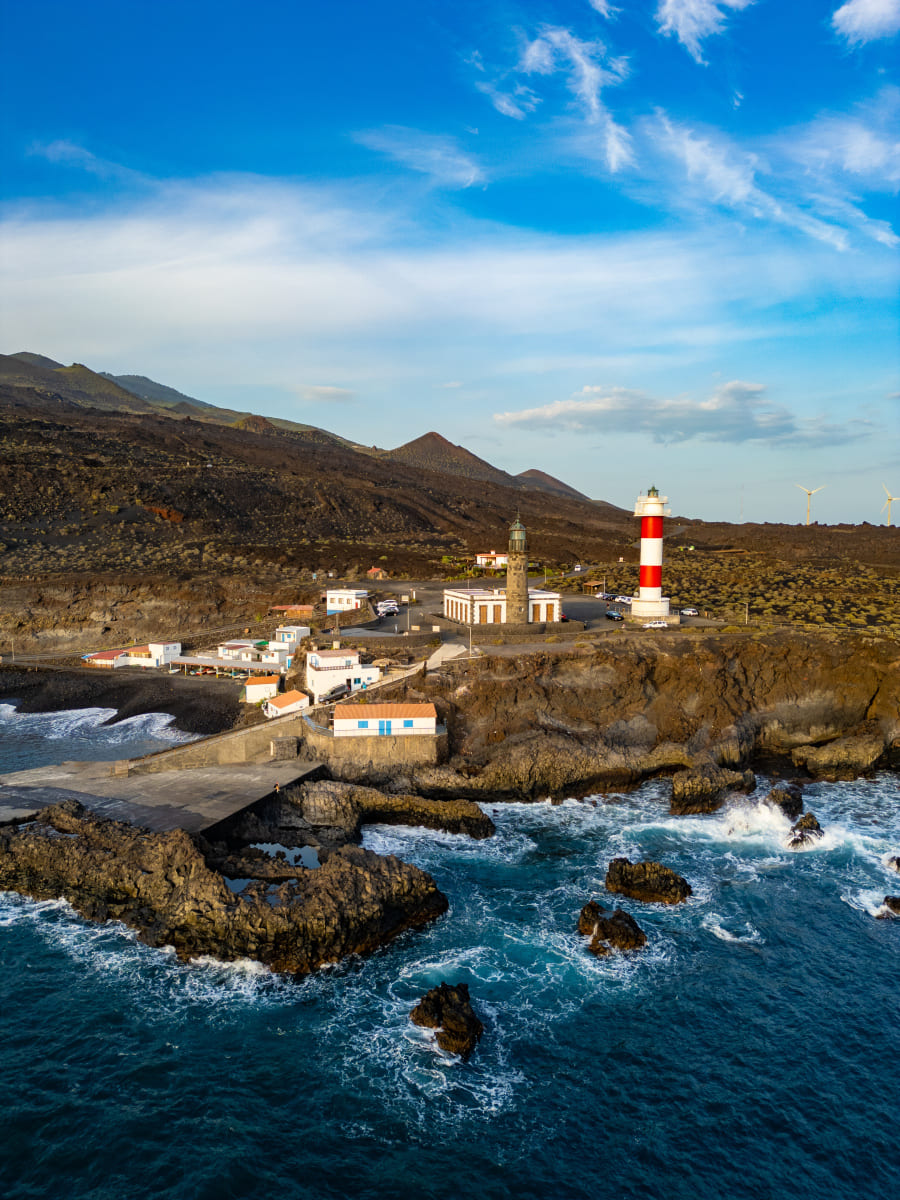
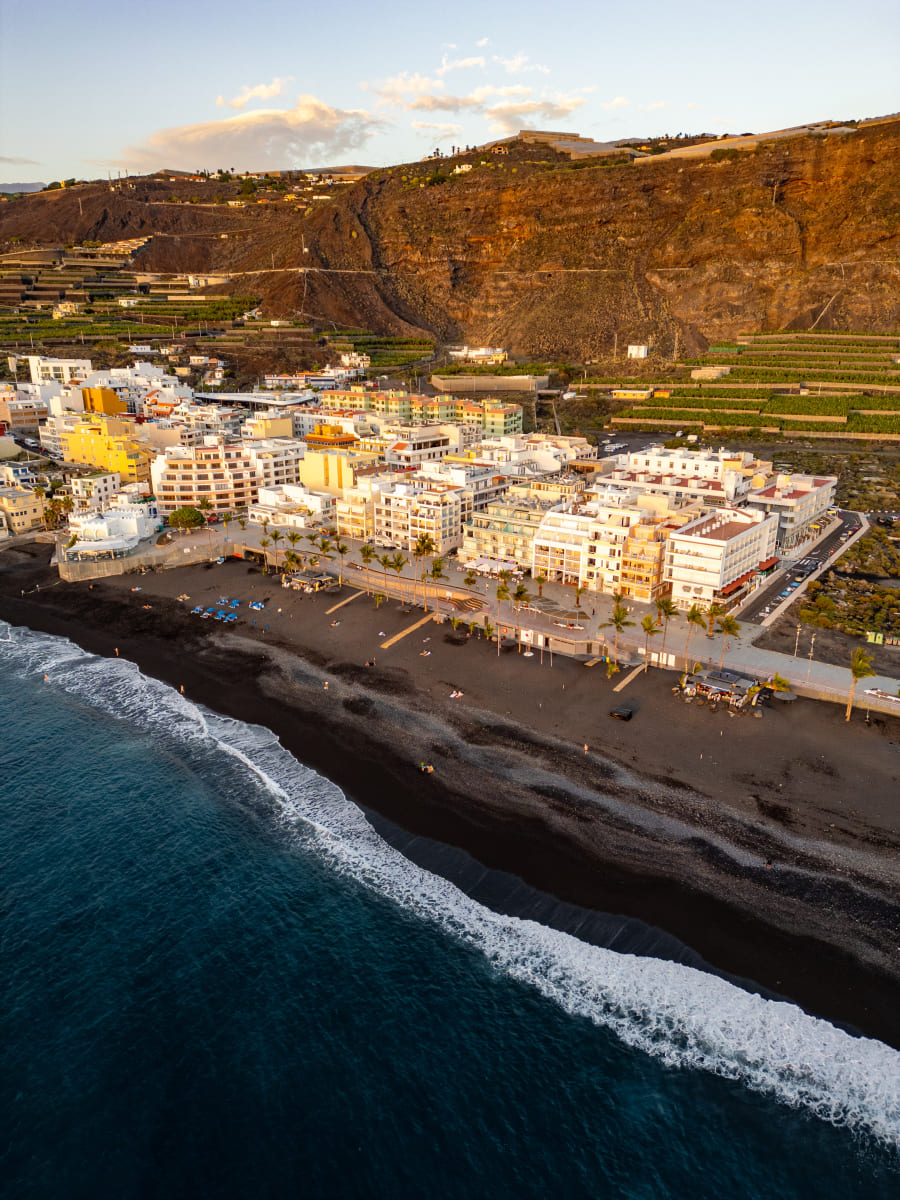
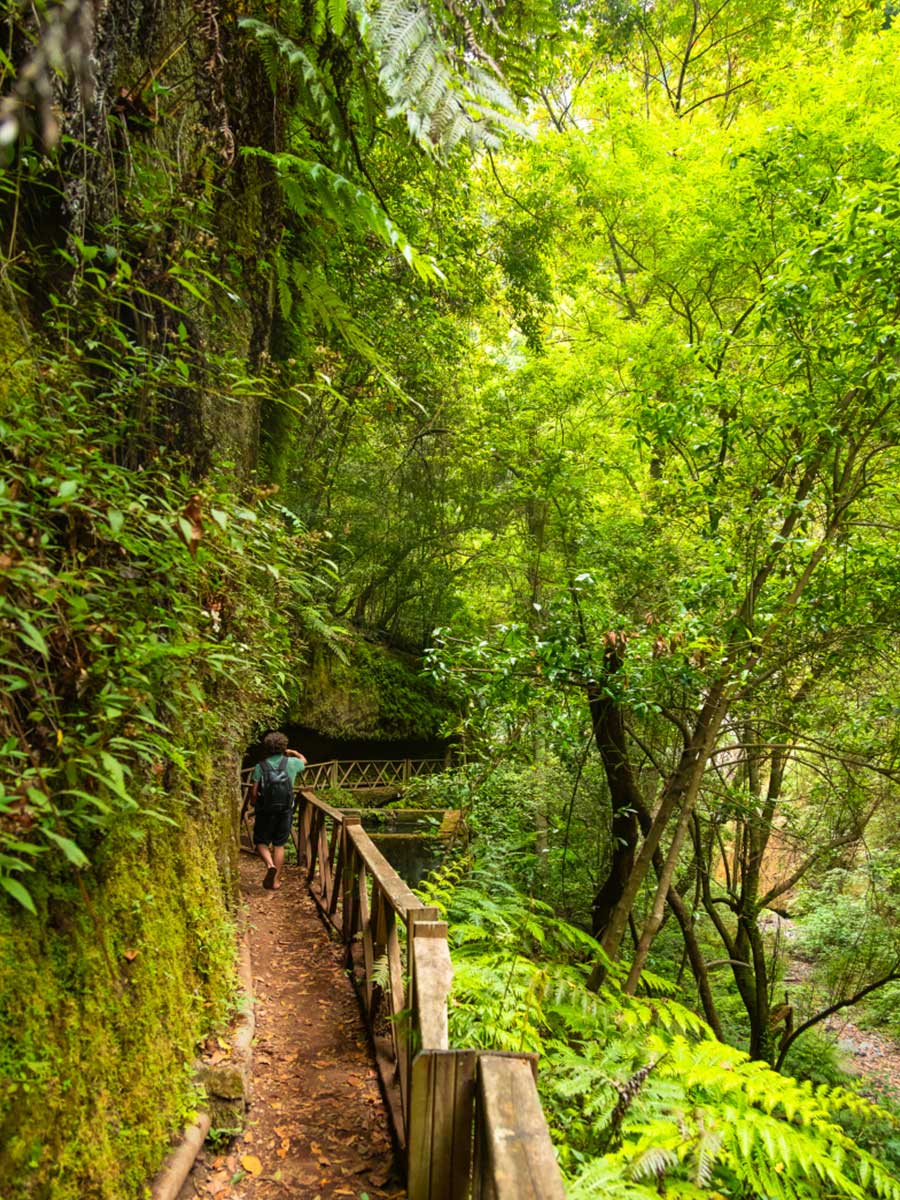
The volcanic island of La Palma (Canary Islands, Spain) also known as Benahoare, Junonia Maior, San Miguel de La Palma, Isla Bonita or Isla Verde emerged about 4 million years ago from a crack in the bed of the Atlantic Ocean; with little more than two million years old, since it emerged from the ocean waters, it occupies no more than 708 km2, crowned by the peak of Roque de los Muchachos at 2,426 meters above sea level. It is an insignificant area that leaves no one indifferent, because it is full of magical corners where it displays all its beautiful scenery, flooding the visitor’s imagination with amazing stories and comforting the soul of the adventurer.
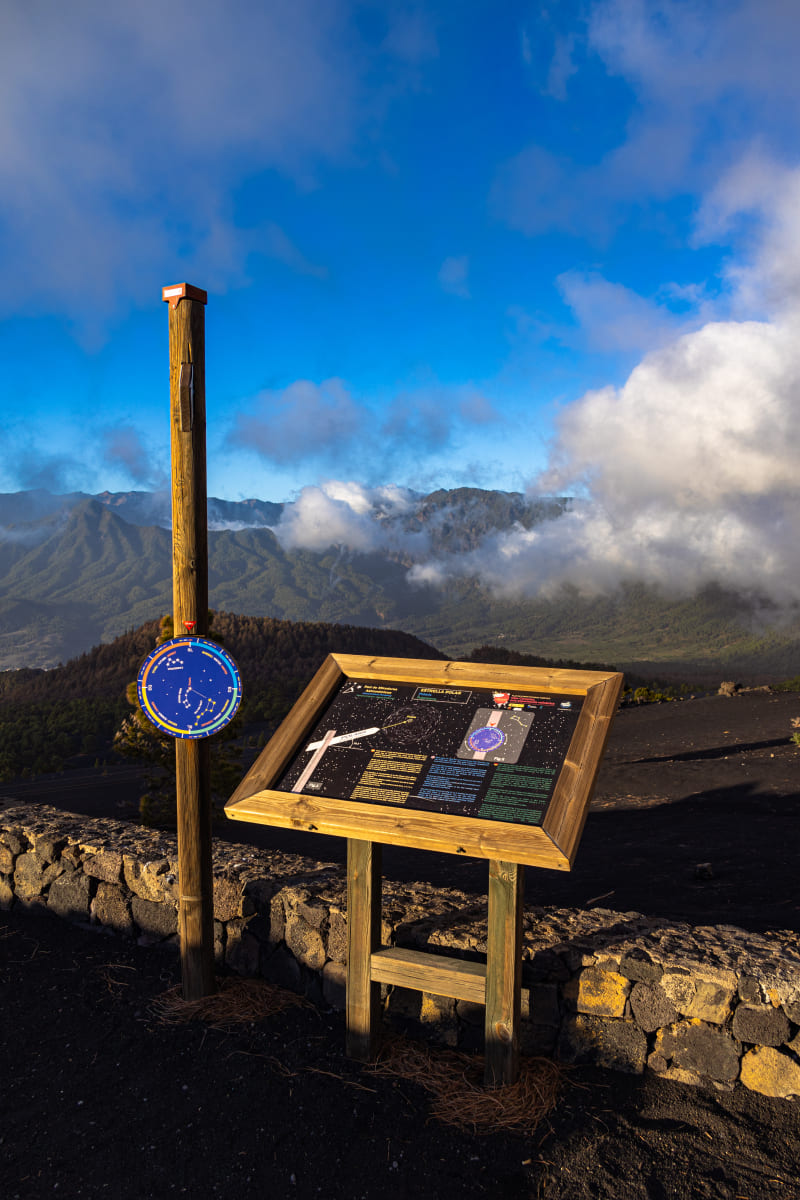
Its volcanic seabed is the beginning of the island, a sort of enchanted world, where there is a valuable representation of marine species that satiate our senses with lively wonders. Two large volcanic edifices shape it, an extinct one known as Paleopalma and another active one called Cumbre Vieja that is forging, with its eruptions, the future Neopalma. Territory covered by a diaphanous sky where one of the largest astronomical observatories on the planet has been installed for the study of the origins of the universe -which with the distant gaze of the millions of stars that cover its celestial vault- has become a sidereal witness of the millenary life cycles that have shaped the rich biodiversity of the palm tree, an authentic open laboratory of evolution that has generated a high endemicity.
With a great atmospheric stability and an ideal climate for excursions, the geological fortress of the Caldera de Taburiente National Park stands out above all, a space that with its vertical walls and endless 360º panoramic views will delight our eyes with small gallantries of uncontrollable beauty, with unrepeatable images that fill our hearts with joy, at the same time that fills us with the most varied aeolian whispers that accompany the wonderful sounds of life as the murmur of the free flow of water, true shaper of life, which quenches the thirst of the pine forests (botanical symbol) and its fauna, which continuously thank so much kindness with its cheerful flight and the sweet trills of canaries and blackcaps, along with the cooing of the endemic pigeons or the moaning of the choughs (faunistic symbol).
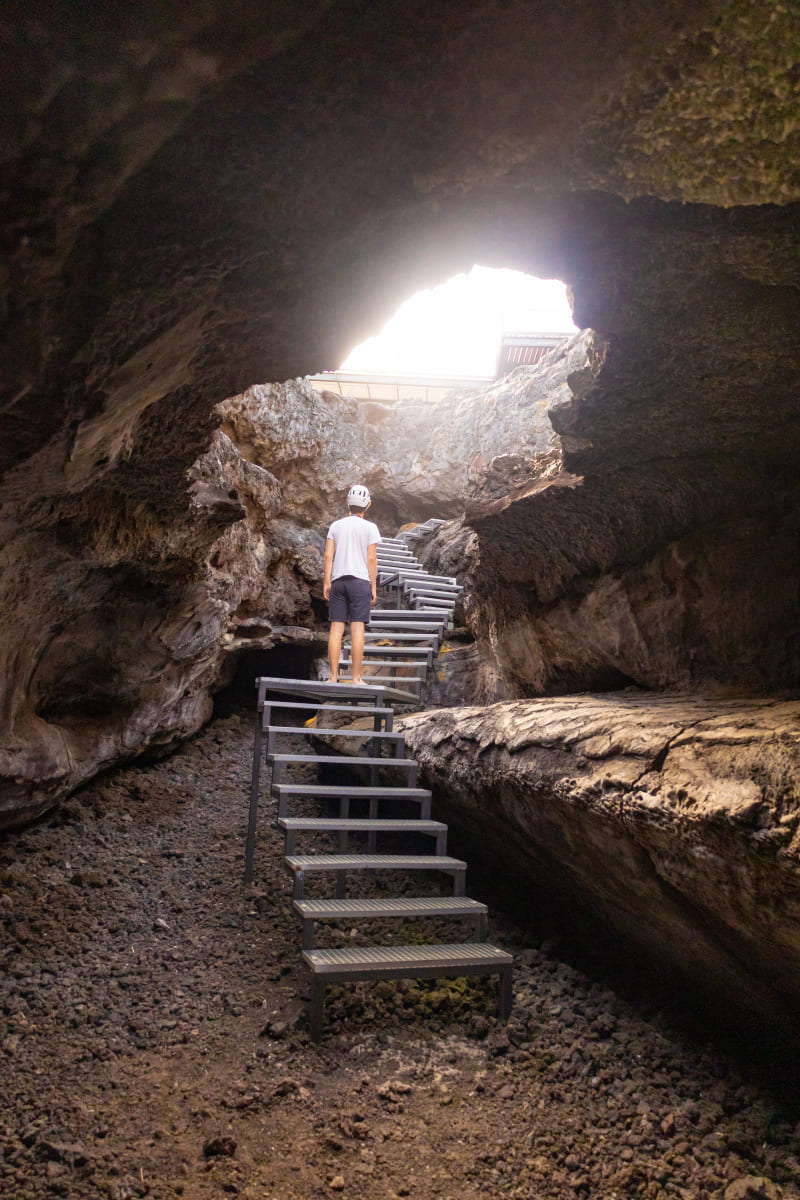
Its entrails are crisscrossed by the dry arteries of volcanoes in the form of channels and lava tubes through which roams a fauna that has adapted to the precariousness of food by eliminating morphological structures and reducing metabolisms that allow it to thrive in one of these inhospitable worlds.
Its fields smell of thousands of flowers that fill multicolored canvases and nourish with their fruits the pantries, which throughout the centuries-old multicultural history has forged a rich and varied cuisine to the delight of all who taste it.
Since its discovery, there have been hundreds of naturalists and scientists who, while searching for new cosmoses and gaps in knowledge, have been forever impregnated with its pristine beauty, which is then reflected in the studies that will accentuate its mystical grandeur.
All this miscellany of considerations led to the island of La Palma as a whole being declared a World Biosphere Reserve in 2002.